
Roof Inspection · Miami-Dade · Broward · Palm Beach
Roof Inspections in South Florida
Annual pre-season, post-storm, insurance documentation, and pre-purchase. Written report every time. Free with any repair or replacement estimate.
Five Scenarios
When to Get a Roof Inspection
A roof inspection isn't one product — it's different things at different moments. Each scenario has a different scope and a different purpose.
Annual Pre-Season Inspection
Timing: April–May
What's included: Full roof surface, flashing, soffits, fascia, attic conditions, drainage. Written report with condition rating and estimated remaining life.
Why it matters: The standard of care for South Florida homes. Roofing companies book solid by June — schedule in April to get ahead of the rush.
Post-Storm Inspection
Timing: Within 48–72 hours of a named storm or high-wind event
What's included: Damage documentation with photos, written assessment of cause and scope, insurance report suitable for claim filing.
Why it matters: Insurance adjusters work from documentation. A professional written report carries more weight than photos alone and establishes causation clearly.
Insurance / Non-Renewal Inspection
Timing: When your insurer requests documentation or threatens non-renewal
What's included: Condition assessment written to insurer standards. Granule retention, material age, structural integrity, flashing condition.
Why it matters: Many Florida insurers are non-renewing policies on roofs over 15 years old. A clean inspection report can sometimes satisfy their requirement without triggering a replacement.
Pre-Purchase Inspection
Timing: During real estate due diligence period
What's included: Full assessment of condition, material type, approximate age, remaining life, any active or potential leaks, outstanding maintenance issues.
Why it matters: A roof in unknown condition is a negotiating chip — or a surprise. Know what you're buying before you close.
Wind Mitigation Inspection
Timing: After a new roof installation, or to document existing features for insurance
What's included: OIR-B1-1802 form completed by a licensed inspector — documents roof covering type, secondary water barrier, opening protection, and roof shape. Required by Florida insurers for wind coverage discounts.
Why it matters: This is the document that unlocks your insurance discount. Without it, you're paying full wind premium regardless of how good your roof is.
Timing Matters
Schedule in April, Not June
Hurricane season officially starts June 1. In South Florida, roofing contractors are fully booked by late May. An inspection in April gives you time to actually act on what it finds — schedule a repair, fix a soffit, replace damaged flashing — before the season starts and before lead times stretch.
An inspection in June tells you what's wrong. An inspection in April gives you time to fix it. Same information, different outcomes.
What You Get
What the Written Report Covers
- —Overall condition rating and approximate remaining lifespan
- —Roof surface condition — granule retention, shingle integrity, tile condition
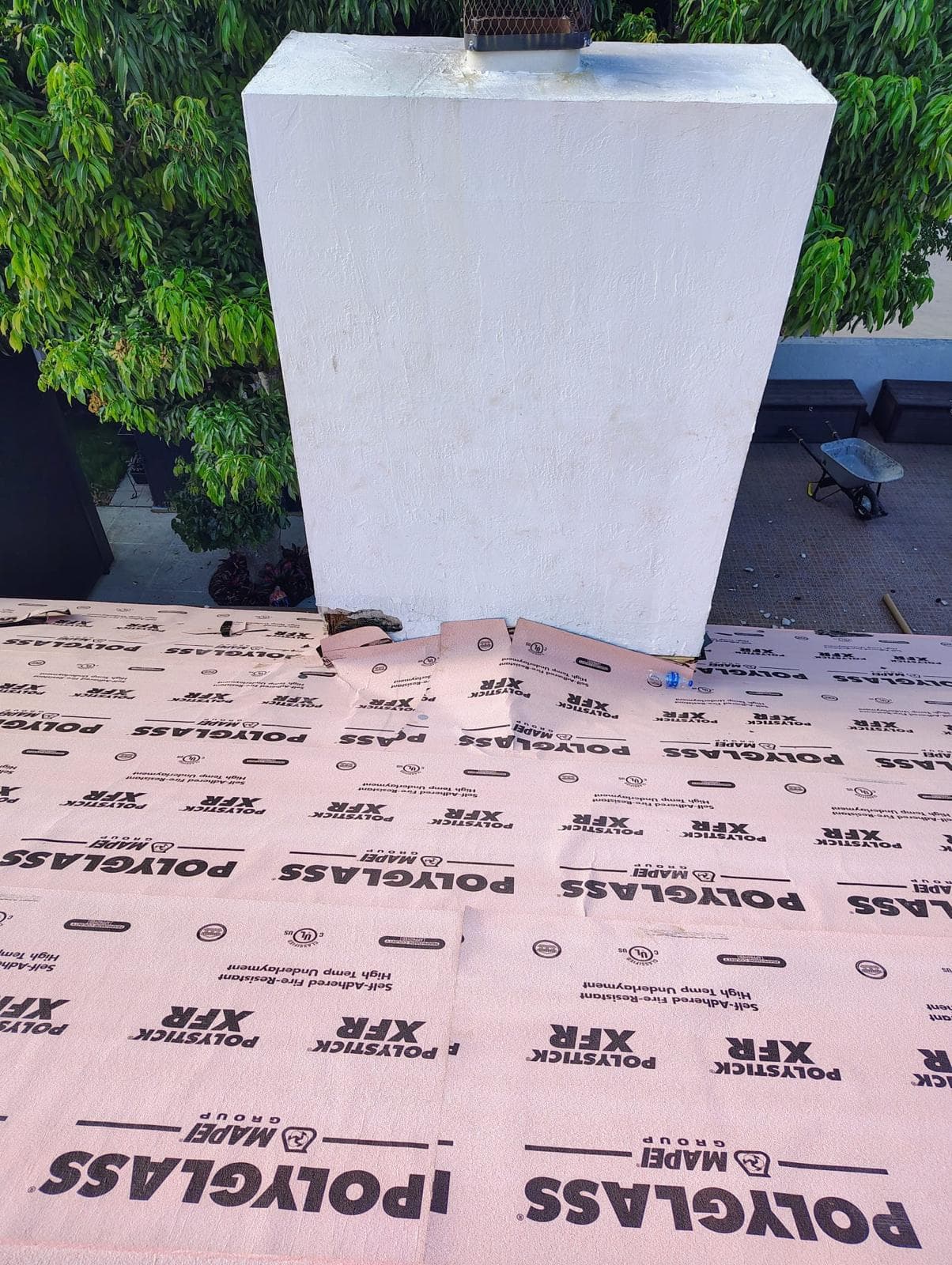
- —Flashing at all penetrations: chimneys, vents, skylights, valleys
- —Soffit and fascia condition — the most common wind vulnerability in South Florida homes
- —Gutter and drainage assessment
- —Attic conditions: moisture, ventilation, signs of existing leaks
- —Dated photos of all findings
- —Specific recommendations with priority ranking
The report is yours to keep and share — with your insurer, a buyer's agent, or your own records. We don't write vague reports that are only interpretable if you hire us for follow-up work.
Frequently Asked Questions
How much does a roof inspection cost in South Florida?
We include a full inspection with any repair or replacement estimate at no charge. Wind mitigation inspections — a separate document type required by insurers for discount qualification — must be done by a licensed inspector; we coordinate that process.
How often should I have my roof inspected in Florida?
Once per year, ideally in April or May before hurricane season. Any time after a named storm or high-wind event. When buying or selling a home. When you receive an insurance non-renewal or condition notice. Four scenarios — all of them are the right time.
What does a roof inspection include?
A complete inspection covers the roof surface (shingles, tile, or membrane), flashing at all penetrations and transitions, gutters and drainage, soffit and fascia condition, and visible attic conditions. You receive a written report with photos, a condition assessment, and an estimated remaining life for the material.
What is a wind mitigation inspection?
A wind mitigation inspection documents specific features of your home's roof on a state form (OIR-B1-1802) — roof covering type, secondary water barrier presence, opening protection (shutters or impact windows), and roof shape. Your insurer uses this form to calculate your wind coverage discount. It must be performed by a licensed inspector, not just any contractor.
Can a roof inspection help me avoid a non-renewal?
Sometimes. If your insurer is threatening non-renewal due to roof age but the material is in good condition, a professional inspection report documenting that condition can satisfy their requirement. It depends on the insurer and their specific policy terms — we recommend calling your insurer first to understand exactly what documentation they need.
Do I need a roof inspection after a hurricane?
Yes — even if you don't see obvious damage inside. Wind events in South Florida can displace flashing, lift shingle edges, or crack tile in ways that aren't visible from the ground or immediately apparent inside the home. Undiscovered damage leads to leaks months later that are harder to attribute to the storm for insurance purposes.
Schedule a Roof Inspection
Miami-Dade, Broward, and Palm Beach County. Written report every time. If we find something that needs fixing, we'll tell you — and we'll give you a quote for it. If we find nothing serious, we'll tell you that too.
Call (786) 983-7928