
Miami's housing stock is diverse — Art Deco bungalows in Miami Shores, CBS block homes in Little Havana, luxury high-rises in Brickell and Edgewater, and sprawling single-family homes in Pinecrest and Palmetto Bay. What unites all of them is the same set of environmental challenges: hurricane exposure, intense UV, humidity, salt air, and one of the country's strictest building codes.
Why Miami Has Its Own Building Code
Miami-Dade County sits in the HVHZ (High Velocity Hurricane Zone) — the most stringent residential building code zone in the United States. Products used in roofing, windows, doors, and other building envelope components must carry a Miami-Dade Notice of Acceptance (NOA) before they can be installed.
This means no box-store windows. No standard contractor-grade roofing materials. Every component that touches the building envelope must be certified for Miami-Dade's wind and impact requirements. This adds cost compared to construction in other Florida counties — but it also means the homes built and renovated here are genuinely better prepared for major storms.
Most Requested Projects in Miami
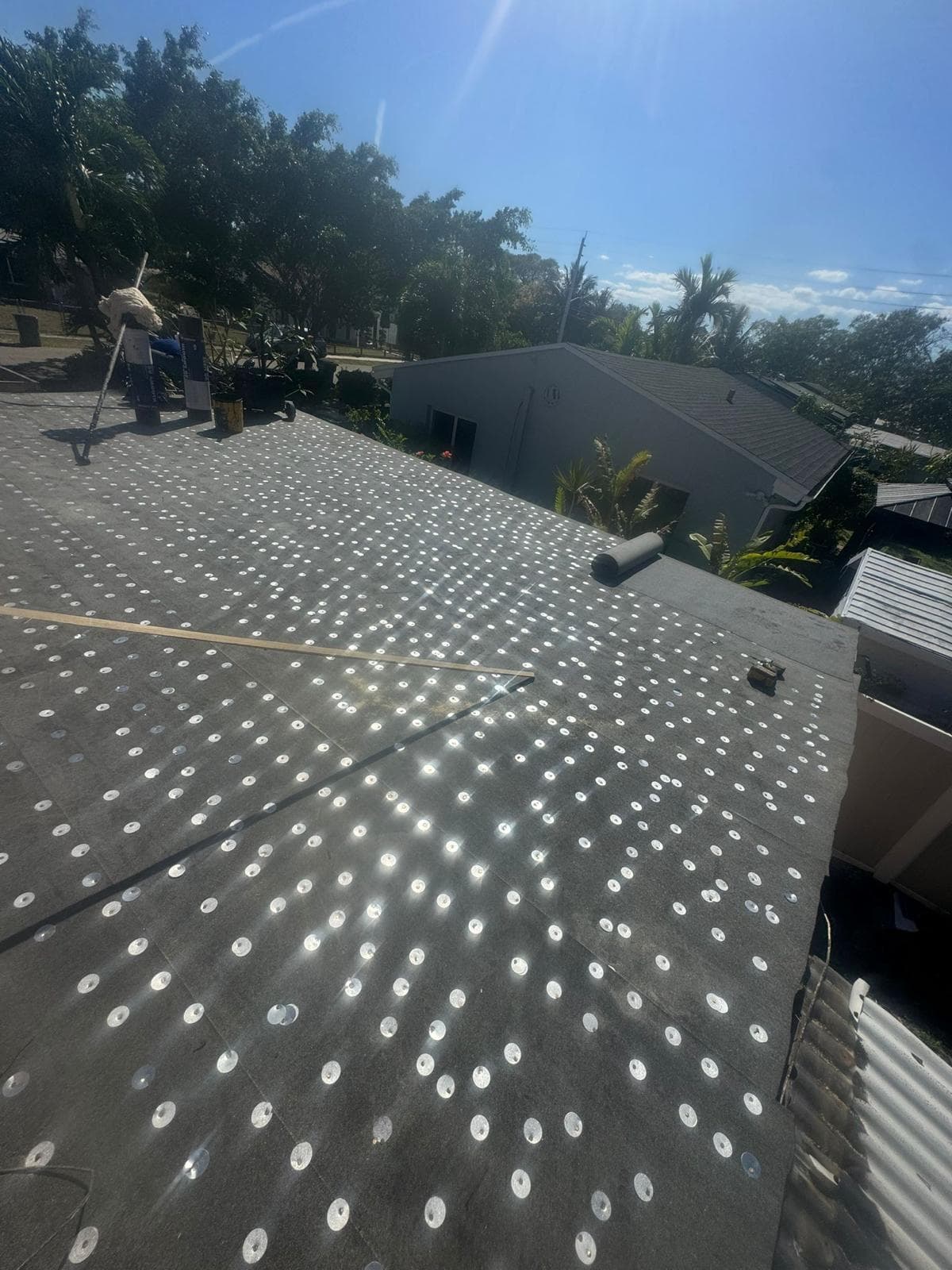
Roof replacement tops the list consistently. Miami-Dade's insurance market has been through significant disruption, and insurance carriers often require roofs to be under 15 years old for coverage. Homeowners who received non-renewal notices or significant premium increases are replacing roofs to maintain insurability and reduce premiums.
Impact windows and doors — every home in Miami-Dade that doesn't have impact windows is missing the most effective storm protection available. With insurance credits for impact-rated openings and the security benefit, Miami homeowners are replacing standard windows faster than any other major market.
Kitchen and bathroom remodeling — Miami's real estate market rewards updated interiors. Kitchens and bathrooms are the rooms buyers evaluate most carefully. A kitchen remodel in Miami often yields 60–80% return at sale.
AC replacement — Miami's near-constant AC season means systems wear out faster than in most markets. A 10-year-old AC system in Miami has worked as hard as a 15-year-old system in a moderate climate.
Miami Permitting: Expect the Process
Permits in Miami-Dade take longer than most markets. The building department serves one of the most active construction markets in the country. Plan for:
- Simple permits (window replacement, HVAC): 4–8 weeks
- Complex permits (additions, structural changes): 12–24 weeks
- Master permit packages: varies by municipality within the county
Homestead, Coral Gables, Miami Beach, and other incorporated cities within the county have their own building departments — permit timelines vary.
Areas We Serve in Miami-Dade
Coral Gables, Coconut Grove, Brickell, Miami Shores, Little Havana, Doral, Kendall, Pinecrest, Palmetto Bay, Cutler Bay, Homestead, and all incorporated municipalities throughout the county.
We're a full-service home improvement contractor serving Miami-Dade County. Call (786) 983-7928 for a free estimate.